
Car Engine Block Heaters: The Unsung Hero of the Frozen North
author: Jeremy Laukkonen
2022-07-30

Car Engine Block Heaters: The Unsung Hero of the Frozen North

Car seat heaters are almost unheard of in sunny areas. Even if you live in an area where engine block heaters are ubiquitous, they won't be exciting. Regardless of the type of technology, stand heaters are pretty incredible.
In most cases, you'll never know there's a car that doesn't see the electric plug hanging from the electric grill. But as mercury began to plummet year by year, it became clear why block heaters were the unsung heroes of the Frozen North.
Do you need a heater?
Temperate regions do not require heaters. If you live in an area that experiences freezing temperatures in the winter, but it's hard to freeze, you'll probably get more use out of a remote starter than a block heater.
Finding and installing the correct engine block heater can be very important when you live in a cooler area.
What is an engine block heater?
Block heaters are engine heating devices designed to preheat the engine and associated fluids prior to starting the engine. Depending on how cold the surroundings are, this can accomplish many useful tasks.
The main purpose of an engine block heater is to make the engine easier to start, but preheating the engine oil, antifreeze, and internal engine components also reduces wear, reduces emissions, and allows the heater to blow faster through a more comfortable environment in the car hot.
In the coldest environments, when temperatures are below the freezing point of the water/antifreeze mixture in the engine, block heaters can also keep engine coolant overnight and prevent catastrophic engine damage.
Types of Block Heaters and Engine Heaters
There are several different types of block heaters, but they all rely on the same basic technology (a heating element of some sort) and work through the same basic mechanism (heating part of the engine).
The most common types of block heaters include:
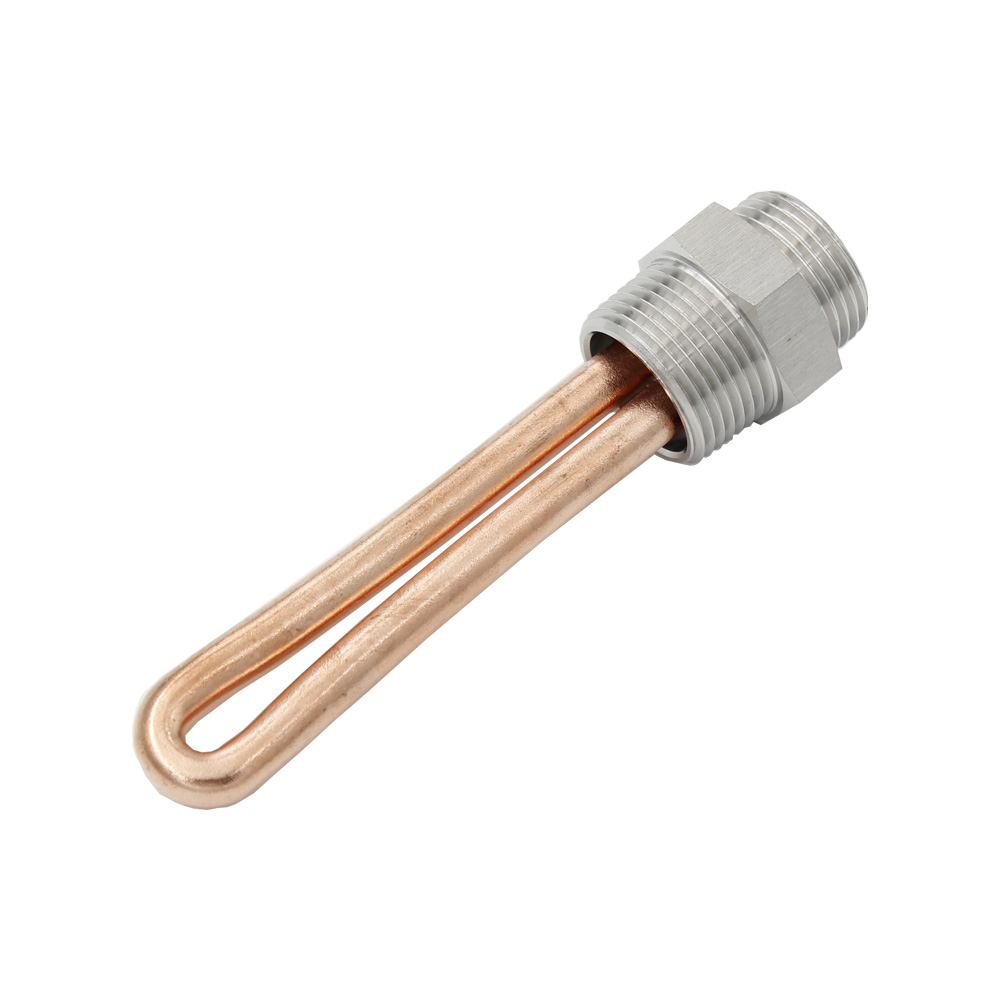
Dipstick Heater
In most cases, you'll never know there's a car that doesn't see the electric plug hanging from the electric grill. But as mercury began to plummet year by year, it became clear why block heaters were the unsung heroes of the Frozen North.
Do you need a heater?
Temperate regions do not require heaters. If you live in an area that experiences freezing temperatures in the winter, but it's hard to freeze, you'll probably get more use out of a remote starter than a block heater.
Finding and installing the correct engine block heater can be very important when you live in a cooler area.
What is an engine block heater?
Block heaters are engine heating devices designed to preheat the engine and associated fluids prior to starting the engine. Depending on how cold the surroundings are, this can accomplish many useful tasks.
The main purpose of an engine block heater is to make the engine easier to start, but preheating the engine oil, antifreeze, and internal engine components also reduces wear, reduces emissions, and allows the heater to blow faster through a more comfortable environment in the car hot.
In the coldest environments, when temperatures are below the freezing point of the water/antifreeze mixture in the engine, block heaters can also keep engine coolant overnight and prevent catastrophic engine damage.
Types of Block Heaters and Engine Heaters
There are several different types of block heaters, but they all rely on the same basic technology (a heating element of some sort) and work through the same basic mechanism (heating part of the engine).
The most common types of block heaters include:
Dipstick Heater
- Location: Install at the location of the oil dipstick.
- Working principle: Directly heats the oil.
- Installation:easy
Engine Warm Blanket
- Location: Mounted on top of the engine or attached to the inside of the hood.
- Working principle: Like a heavy duty electric blanket.
- Installation:easy
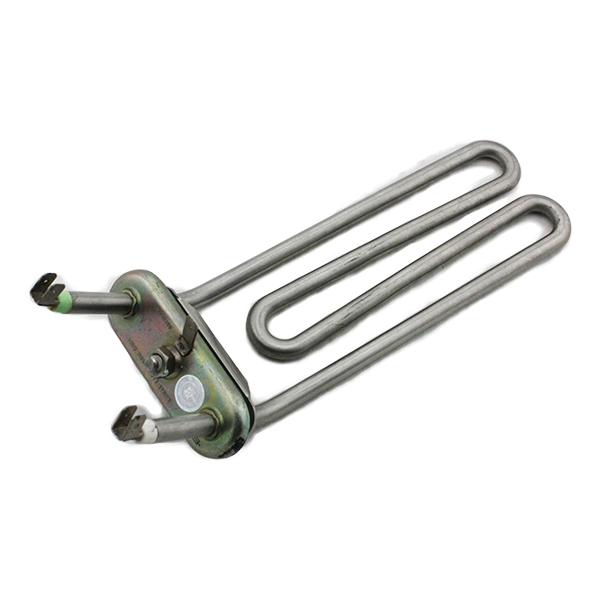
Boiler Fuel Oil Heater
- Location: Bolted on the oil pan or by magnets.
- Working principle: The oil is heated indirectly by heating the pan.
- Installation: easy/difficult.
In-Line Coolant Heaters
- Location: Installed with radiator hose.
- Working principle: Directly heats the engine coolant.
- Installation: Difficult.
- Notice: Circulating versions include a pump that circulates coolant through the engine. The acyclic version is less complicated, but also less effective.
Bolt-on Heater
- Location: Bolted to the outside of the engine.
- Working principle: Heats the engine by heating the engine coolant through direct contact.
- Installation: Difficult.
Frozen Plug Heater
- Location: Frozen plug installed in the engine block.
- Working principle: Directly heats the coolant.
- Installation: difficult/very difficult.
Install and use block heaters
Some block heaters are easy to install and can be moved from vehicle to vehicle, like blanket heaters and heaters that replace your dipstick. In fact, installing a dipstick heater is no more difficult than checking the oil.
Other engine block heaters are relatively easy to install if you know your way around a car engine, such as inline coolant heaters, while traditional frozen plug heaters are best left to the pros.
In any case, if you decide to install your own seat heater, it's important to remember that a common factor is that every seat heater comes with wires that must run safely through the engine bay. Power cords can be damaged if they come too close to moving components such as pulleys or belts. If this happens, the next time you plug it in, your electric water heater won't work, or even work.
The best way to use the engine block heater depends on the temperature you are dealing with. If you live somewhere cold enough to freeze antifreeze and shatter yours, you'll want to have the thermal resistor plugged in whenever you park your car for a while.
The engine block heater should always be plugged in overnight when the predicted temperature is lower than the antifreeze can handle. However, if you find yourself parked in an area with an electrical outlet, even if you don't park overnight, plugging it in can make your engine start easier and wear less.
In situations where the cold weather isn't enough to damage the block, you can often save some electricity bills by using a timer. By setting a timer to activate your seat heaters a few hours before your commute each morning, you'll avoid wasting electricity overnight, but you'll still see easier starts, less engine wear and more Your vents are much earlier.
In situations where the cold weather isn't enough to damage the block, you can often save some electricity bills by using a timer. By setting a timer to activate your seat heaters a few hours before your commute each morning, you'll avoid wasting electricity overnight, but you'll still see easier starts, less engine wear and more Your vents are much earlier.
(1).png?imageMogr2/format/webp/thumbnail/!10p)