
Heating elements in washing machines
author: ibath-zh.techexpertolux.com
2022-08-04
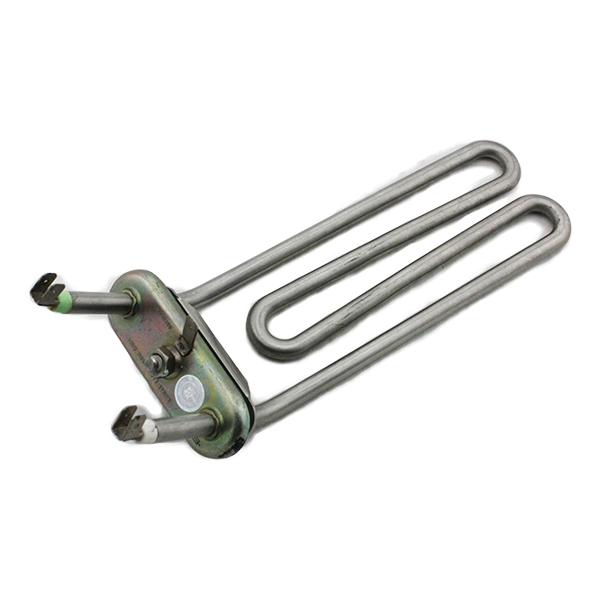
Among all parts of a washing machine, the heating element is one of the key elements. If it fails, it prevents the device from continuing to operate because the program is interrupted and an error appears on the display.
Washing machines only need cold water to run because each appliance has a heating element - the heating element. Its function is to heat the water in the tank to the temperature required for a specific washing programme.
Working Principle
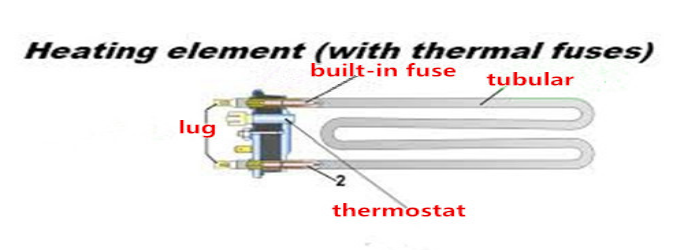
  The heating element in the dispenser is represented by a tubular section with a conductor inside it. This conductor has high resistance and can withstand high temperatures.
  There is a dielectric around the heating coil, which has high thermal conductivity. It transfers heat to the steel outer sheath of the heating element. The coil of the heater is soldered to the contacts on both ends of it. Supply voltage is applied to these contacts. There is also a thermocouple nearby to measure how well the water in the tank is heating.
  When the washing program starts, the control unit of the appliance issues a command to the heating element, which energizes the heating element. The heating element starts heating, which causes the water temperature in the tank to rise.
  Once its temperature reaches the height of the selected program, the temperature sensor sends data to the control unit, which switches off the heating element and the water heating stops.
Feature
The main parameter of the heater is its power, which can reach 2.2 kW. The higher the specification, the faster the water will heat up in the machine. Due to the high inertia and resistance of the heating element, it is not affected by short-term changes in the supply voltage. The normal resistance of a heating element is between 20 and 40 ohms, depending on its rating.
Where is it located?
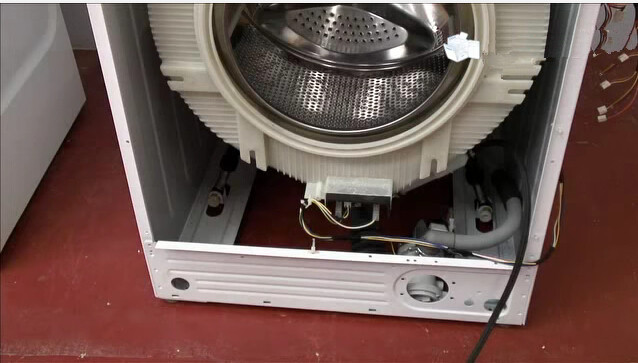
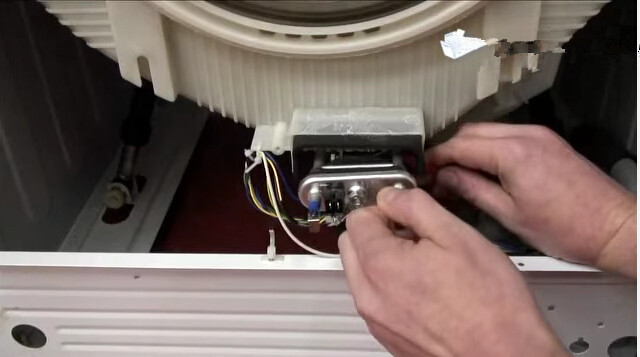
On most models, the heater is on the bottom and must be removed from the front or back to gain access to it. There are also models that have the heating element on the side, and you have to remove the side plate to inspect and replace it.
Why did the heating element break?
  The main cause of heater failure is:
  Factory defect. No buyer was spared, and if the appliance was still under warranty, it was sent to a repair center to have the heating element replaced.
Scale buildup on the heating element surface. This is the most common cause of heater failure. Scale deposits on the metal housing of the components hinder the transfer of heat from the heating element to the water due to its poor thermal conductivity. In this case, the heating element itself overheats and burns out. In addition, scale causes corrosion on the surface of the heating element, which leads to the destruction of the sealing of the metal sheath, resulting in a short circuit.
Tips for choosing a new heating element
  Washer-dryer heaters come in different shapes. The most common are W-type and U-type heaters. There are also spiral heaters.
  The second difference between the different models of heaters is how they are connected and attached. Different components may have different fasteners (usually different flange diameters) and differently shaped terminals.
  The design may also include fuses (to trip on overheating) and temperature sensors. All these features make it difficult to choose the right heating element.
  It is also important to choose a new heating element that is rated exactly as the defective part was removed. In this way, you can ensure that the wash program runs correctly and that the water in the tank will heat up at the correct rate.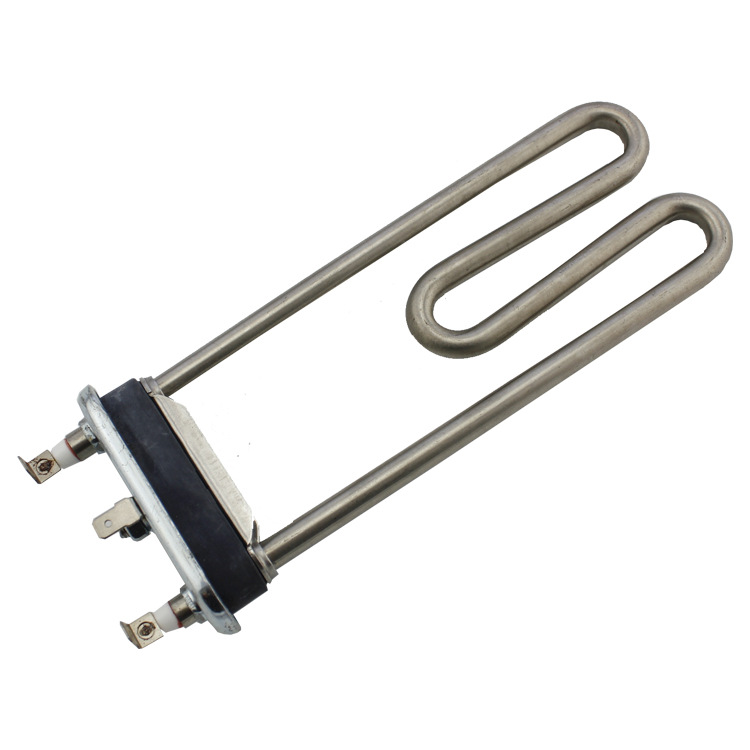

What does the life of a heater depend on?
There are various factors that affect the lifespan of a heater. These factors include the brand of the machine, which directly affects the quality of the machine components, the frequency of use, the most frequent washing programmes and, of course, the hardness of the wash water. The more frequently the appliance is used, the higher the wash temperature is set, the harder the water, the shorter the life of the heating element. The average lifespan of such parts is 2-10 years.
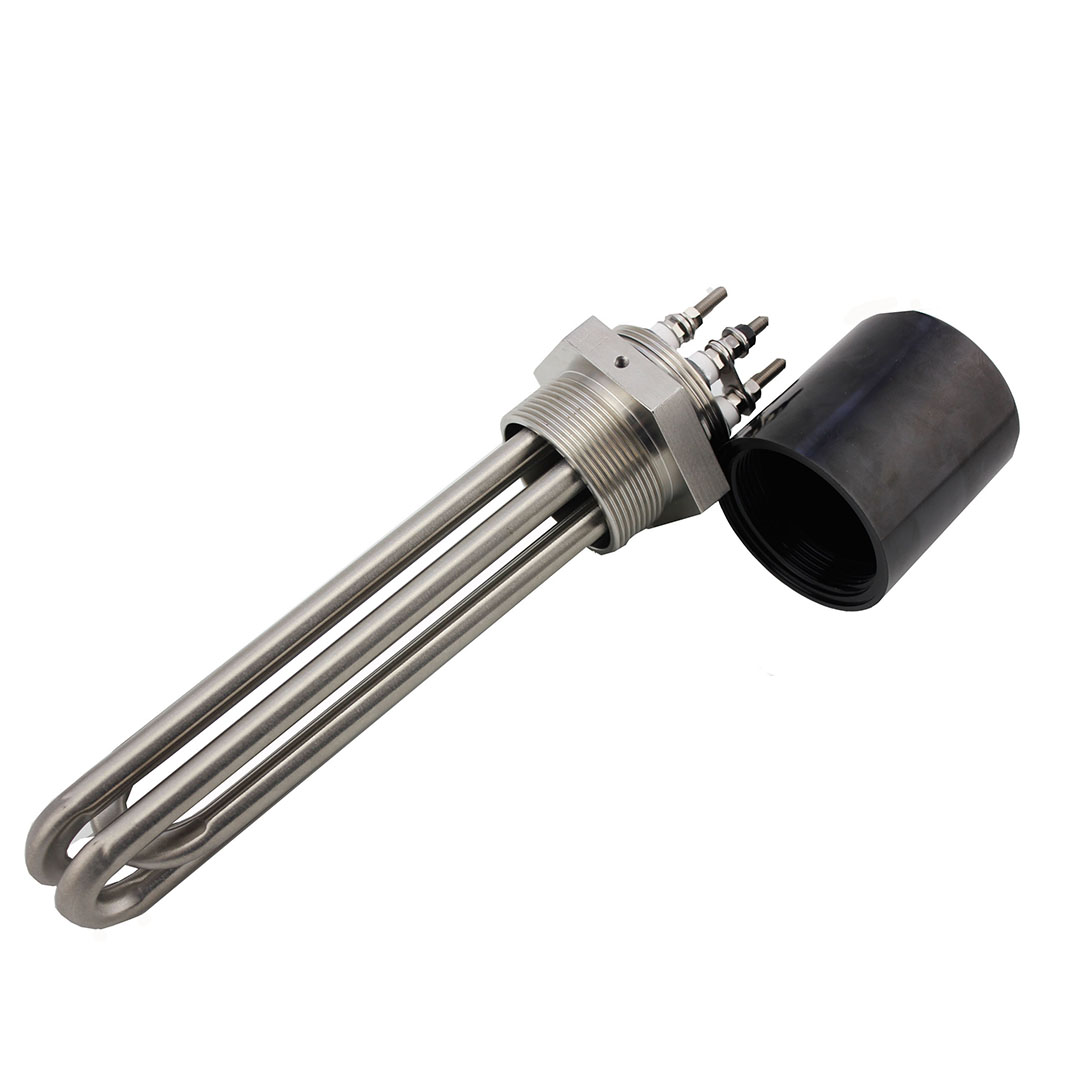 Submersible flange electric heating tube
 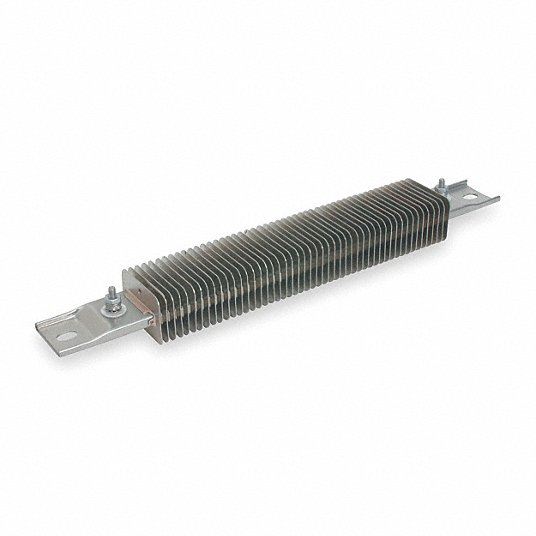 Several uses in the square finned haeting element industry
 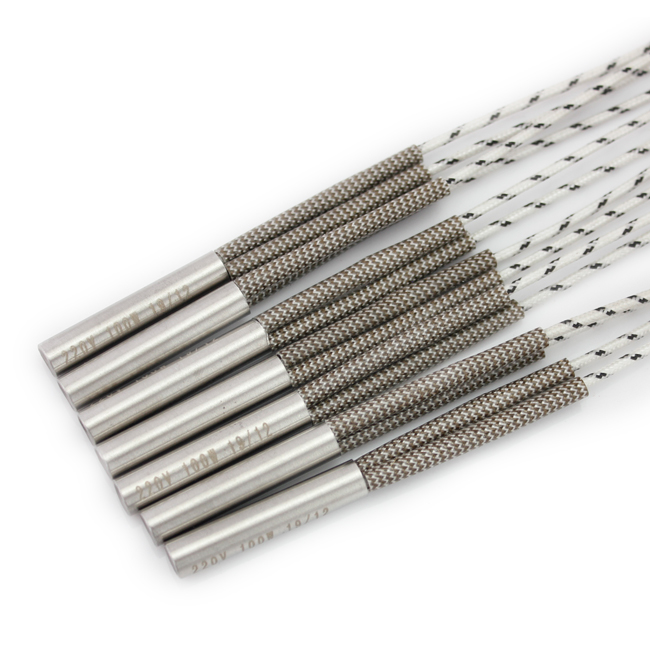 Cartridge Heater Applications & More
 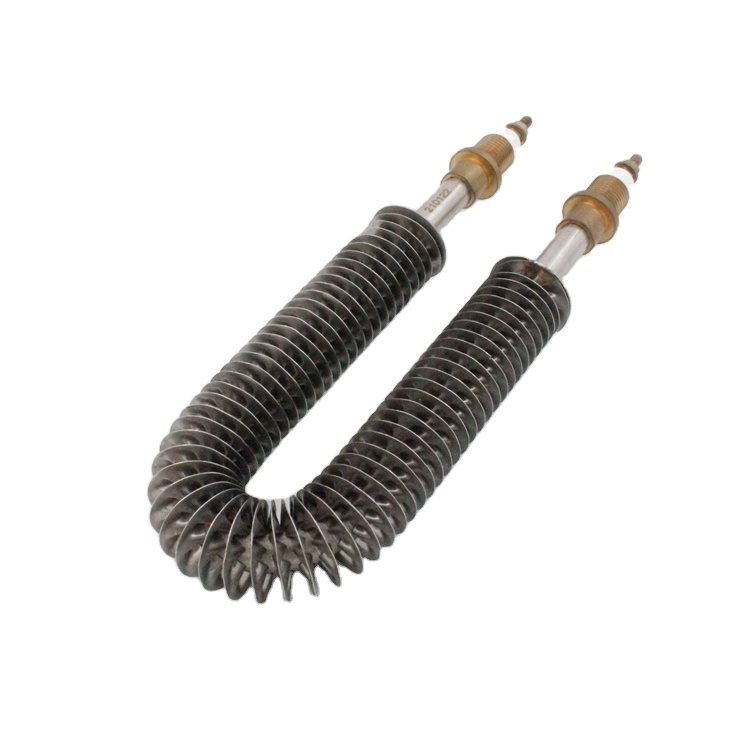 Finned heating element
 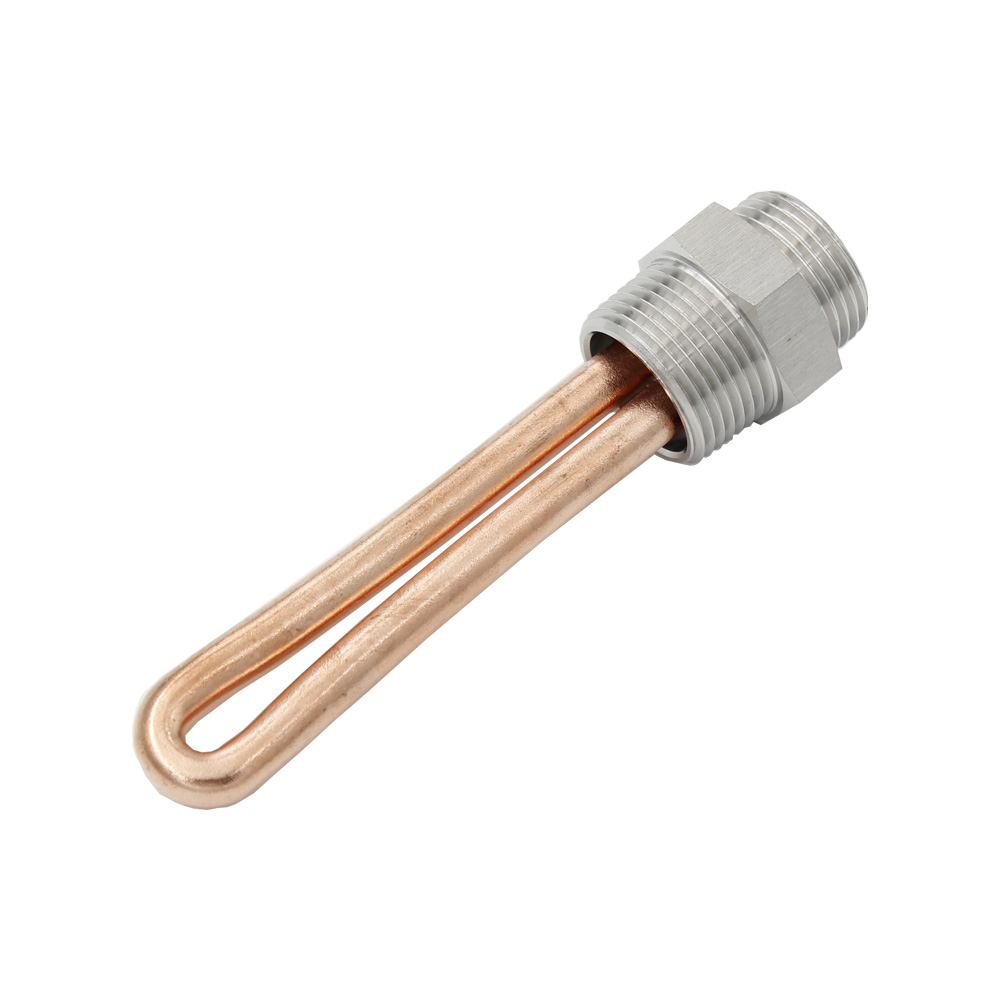 Oil Pan Heater vs. Block Heater: Which One is Better?
  Car Engine Block Heaters: The Unsung Hero of the Frozen North
 (1).png?imageMogr2/format/webp/thumbnail/!10p) Taizhou Yuling Electrical Appliance Co.,LTD
Taizhou Yuling Electrical Appliance Co.,LTD